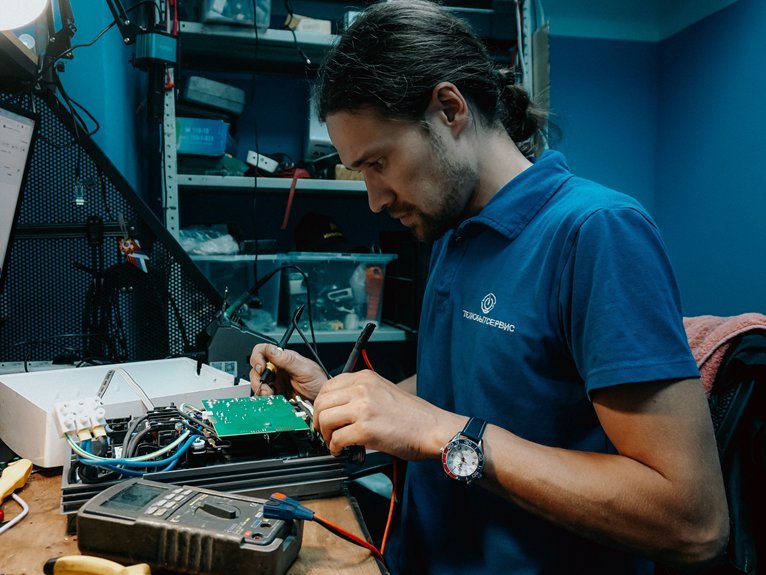
Persistent problems for 5588807900 demand a pattern-focused approach. Identify recurring issue clusters and map them to systemic constraints. Build a system that yields quick wins through automation while enabling proactive maintenance. Transition from firefighting to predictive planning, scheduling interventions by risk. Develop analytics-driven troubleshooting with clear ownership, defined metrics, and durable playbooks. The path forward promises scalable improvement, but the key question remains: where should the first automated workflow begin?
Identify the Persistent Problem Patterns
Persistent problem patterns emerge when recurring issues share common causes or manifestations. The analysis identifies patterns, not isolated incidents, revealing how cycles reinforce persistence. Each observation maps to a root cause or systemic constraint, clarifying where interventions may alter outcomes. By distinguishing problem patterns from symptoms, teams recognize persistent issues and focus on durable remedies rather than temporary fixes.
Build a System: Automation for Quick Wins
A system for automation aims to convert recurring inefficiencies into repeatable, scalable processes, delivering rapid, verifiable gains. It centers on identifying bottlenecks and implementing automation to streamline tasks, reduce manual errors, and accelerate throughput.
Predict, Prevent, and Plan: Proactive Maintenance
Proactive maintenance shifts the focus from reactive fixes to anticipation, reducing downtime and extending equipment life by forecasting failures, scheduling interventions, and aligning resources with risk.
It emphasizes predictive maintenance as a planning tool and champions preventive actions to avert faults before they manifest.
This approach enables disciplined, proactive asset stewardship, fostering reliability, efficiency, and freedom from unexpected disruptions.
Optimize Workflows: Troubleshooting Playbooks and Metrics
Analytics-driven maintenance workflows hinge on structured troubleshooting playbooks and clear metrics. The approach defines repeatable steps, assigns ownership, and enables rapid decision points. Pattern analysis informs root-cause isolation, while maintenance forecasting guides resource allocation and scheduling. Clear dashboards show progress, bottlenecks, and outcomes. The result is adaptable processes that empower teams to solve persistent issues with freedom and accountability.
Frequently Asked Questions
How Can I Quantify the Cost of Recurring Issues?
The cost of recurring issues can be quantified by analyzing cost distribution and failure frequency, assigning monetary values to downtime, productivity loss, and remediation time, then modeling cumulative impact over time to guide preventive investments and risk mitigation.
What Tools Swiftly Detect Intermittent Failures?
Intermittent monitoring tools detect failures swiftly, enabling failure analytics and proactive reporting. They empower teams to act; automation ROI grows as issues are logged and resolved. This approach champions freedom while delivering precise, clear monitoring results. Hyperbole: lightning-fast.
How Do I Measure Automation ROI Over Time?
Automation ROI is measured by comparing cumulative savings and productivity gains against initial and ongoing automation costs over time, while tracking recurring issues pre- and post-implementation to quantify reductions in recurrence and maintenance effort.
Which Roles Should Own Maintenance Governance?
Maintenance governance roles should be clearly defined, with ownership mapping aligning responsibilities across IT, operations, and business units to ensure accountability, traceability, and sustained automation success. Continuous review sustains alignment and minimizes ambiguity in ownership mapping.
How Can I Culture Proactive Problem Reporting?
Proactive reporting transforms teams, turning minor issues into visible signals. The organization cultures proactive reporting through safe channels, feedback loops, and recognition, tracking culture metrics to sustain continuous improvement and empower individuals seeking freedom from recurring problems.
Conclusion
Conclusion: Identify the persistent problem patterns, identify the systemic constraints, identify the root causes; build a system of automation, build a pipeline of quick wins, build proactive maintenance, build standardized playbooks, build metrics-driven ownership. Predict, prevent, and plan; predict risks, prevent outages, plan interventions. Optimize workflows; troubleshoot with clear playbooks, track metrics, assign accountability, iterate improvements. In this way, patterns become insights, constraints become opportunities, and routine problems become preventable failures transformed into durable, scalable performance.